Roof Replacement in Castle Rock, CO
Why Castle Rock Homeowners Face Replacement Sooner Than They Expect
Castle Rock sits at 6,224 feet on the Palmer Divide, and that elevation carries roofing consequences most homeowners in this community do not fully understand until they find granules washing out of their gutters after a hail event. At this altitude, UV radiation reaches the roof surface with measurably more intensity than it does at Denver's 5,280-foot baseline. Asphalt shingles are manufactured with granule coverage calibrated for standard UV exposure, and at Castle Rock's elevation, that coverage depletes ahead of schedule. A thirty-year architectural shingle installed correctly here will frequently show end-of-life characteristics at twenty-two to twenty-five years rather than at the timeline printed on the product label.
Castle Rock's position on the Palmer Divide also places it directly in Colorado's primary hail corridor. Storms tracking northeast from the mountains often release their largest stones here before losing energy across Douglas County. Homeowners throughout The Meadows, along Meadows Parkway, and across Metzler Ranch encounter one-inch-or-larger hail with a regularity that surprises people who relocated from other states. Each impact event that goes unassessed accelerates the granule loss already occurring from UV exposure, and those two forces together shorten the functional life of a Castle Rock roof faster than either would cause in isolation. Lifted High Roofing serves Castle Rock with full residential replacement services built around this elevation, this hail frequency, and the housing profiles common throughout Douglas County.
End-of-Life Roofing Conditions in Castle Rock, CO
How a Castle Rock Roof Signals It Has Reached the End of Its Service Life
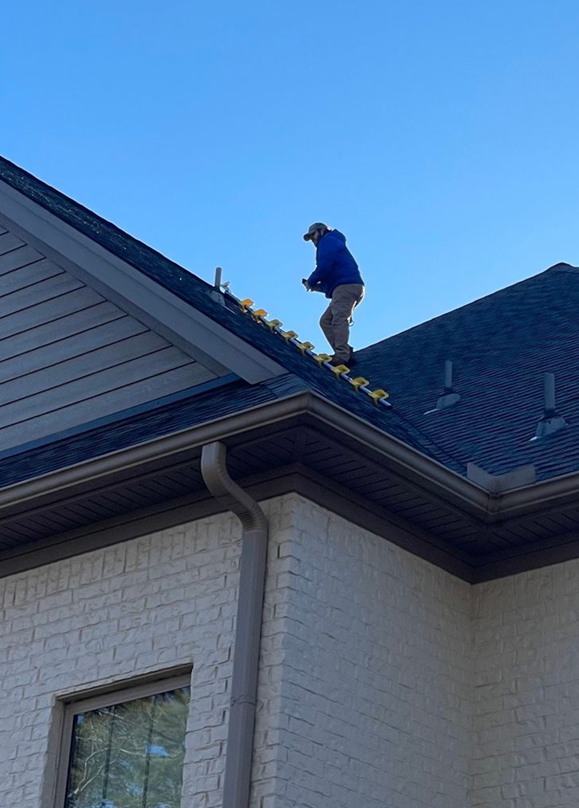
The most consequential mistake a Castle Rock homeowner can make with a failing roof is waiting for interior water to appear before calling a contractor. By the time a stain shows up on a bedroom ceiling, moisture has already worked through the shingles, the underlayment, and into the decking below. Heavy granule accumulation in the gutters is one of the earliest reliable signals that a system is approaching end of life. At this elevation, UV-driven granule erosion moves faster than homeowners who relocated from lower-elevation markets tend to anticipate, and by the time bare mat is visible the replacement timeline has already shortened considerably.
Shingle cupping and curling are equally reliable indicators. Shingles that cup upward at the edges or curl downward across the center have lost the moisture balance that keeps them flat and sealed against the deck. Castle Rock's temperature swings, frequently spanning thirty degrees within a single day during spring and fall, accelerate this process. Widespread cracking, persistent moss or algae growth that has penetrated below the granule layer, and visible daylight through the attic deck all place a system into replacement territory. When two or more of these conditions exist simultaneously, both economics and performance data point clearly toward replacement.
Warning Signs That Your Castle Rock, CO Roof Needs Attention
Granule Loss in Gutters Following Castle Rock Hailstorms
Castle Rock's position in the hail corridor means impact events are a recurring feature of roof life here. After any significant hail event, the gutters are the first place to inspect. A substantial volume of granules at the downspout outlets is not cosmetic damage. Every impact point where granule coverage has been displaced is a location where UV radiation now hits the asphalt mat directly, and over subsequent months those points expand and merge, accelerating granule loss toward replacement-level failure.
Shingles That Have Lifted or Separated Along Founders Parkway and Meadows Parkway
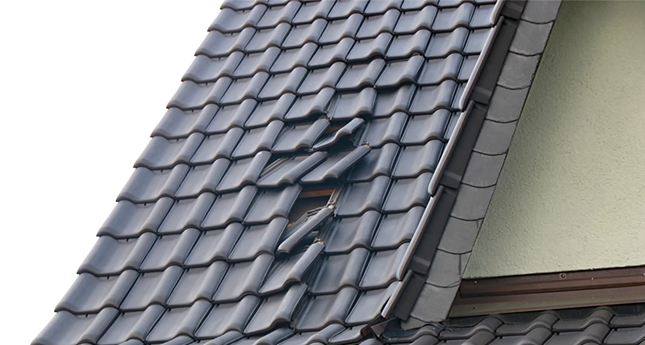
Wind-driven shingle lifting is a pattern Lifted High Roofing encounters consistently on homes along Founders Parkway and throughout The Meadows. Castle Rock's Palmer Divide elevation means wind events carry more force here than the same weather front delivers at lower metro elevations. When shingles lift even partially and then reseat, the factory sealant strip that bonds shingle courses together is often compromised at that point. A shingle that appears intact from the street may no longer be creating an effective barrier when the next rainfall arrives.
Interior Ceiling Stains and Attic Moisture Without an Obvious Source
When a ceiling stain appears without a clearly identified plumbing source above it, the roof deserves immediate professional attention. At Castle Rock's elevation, freeze-thaw cycling is more aggressive than in lower-elevation Denver communities, and ice dam formation at the eave line can force water back up under the shingle field in patterns that do not manifest as straightforward drips. Moisture accumulating in the attic without visible penetration often results from this mechanism and can remain active through an entire heating season before homeowners find evidence of it in the living space below.
Our Roof Replacement Process for Castle Rock, CO Homes
Initial Inspection and Scope Assessment
Every Castle Rock replacement project begins with a full inspection of the existing system, covering granule condition on all slopes, flashings at every penetration and valley, decking for soft spots, and attic ventilation adequacy. The inspection report establishes what the project will involve before any scope is proposed to the homeowner.
Material Selection and Insurance Documentation
Castle Rock homeowners working through a hail or wind loss should understand the insurance documentation requirements before materials are selected. Lifted High Roofing coordinates directly with adjusters, provides itemized scope documentation in the format carriers require, and accompanies the adjuster during on-site review when coverage questions arise. Class 4 impact-resistant shingles are the most common material selection for Castle Rock properties because Douglas County insurers routinely offer meaningful premium discounts for qualifying systems.
Town of Castle Rock Permit Filing
All residential roof replacement projects in Castle Rock require a permit through the Town of Castle Rock Building Division at 100 N Wilcox St, Castle Rock, CO 80104, reachable at (720) 733-2246. Lifted High Roofing manages the permit application, coordinates the required municipal inspection, and delivers the closed permit record to the homeowner at project completion. Warranty transferability to a future buyer depends on a clean permit record, which is why this step carries significance well beyond basic regulatory compliance.
Tear-Off, Deck Assessment, and Full System Installation
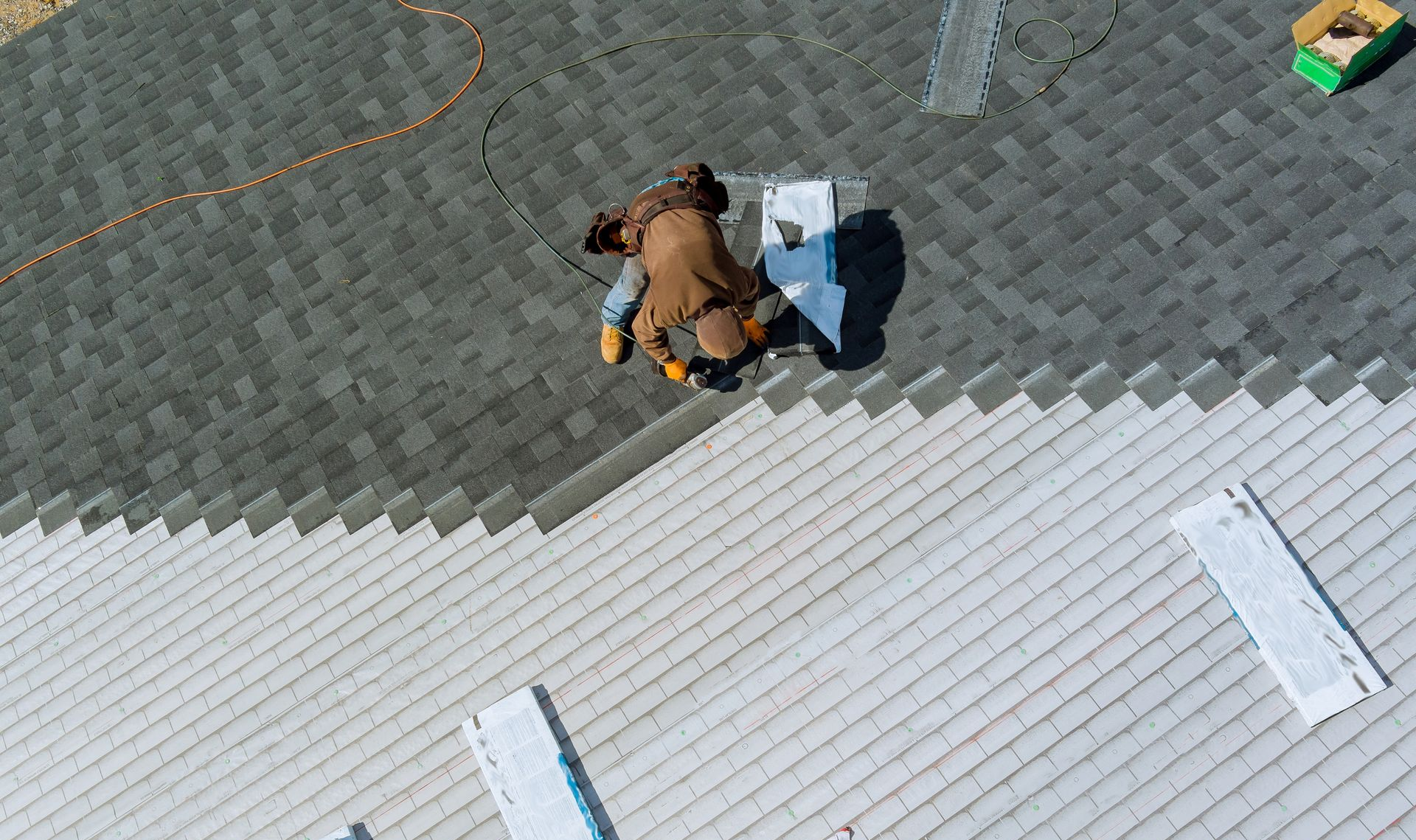
The existing system is fully removed before the new system is installed, allowing inspection of the decking across its entire surface. Damaged decking is replaced before any new material goes down. Ice and water shield is applied at all eaves and vulnerable penetrations. Synthetic underlayment covers the full field. Drip edge, step flashing, counter flashing, and valley flashing are all installed before the first shingle course is placed.
Final Inspection, Cleanup, and Documentation
After installation is complete, the crew conducts a full perimeter sweep for fasteners and debris. The finished system is photographed at every critical component, and the homeowner receives the manufacturer warranty documentation, the Lifted High Roofing workmanship warranty, and the closed permit record from the Town of Castle Rock Building Division.
Roofing Materials Available for Castle Rock, CO Homes
Scenario One: Homeowners Prioritizing Storm Performance and Insurance Cost Reduction
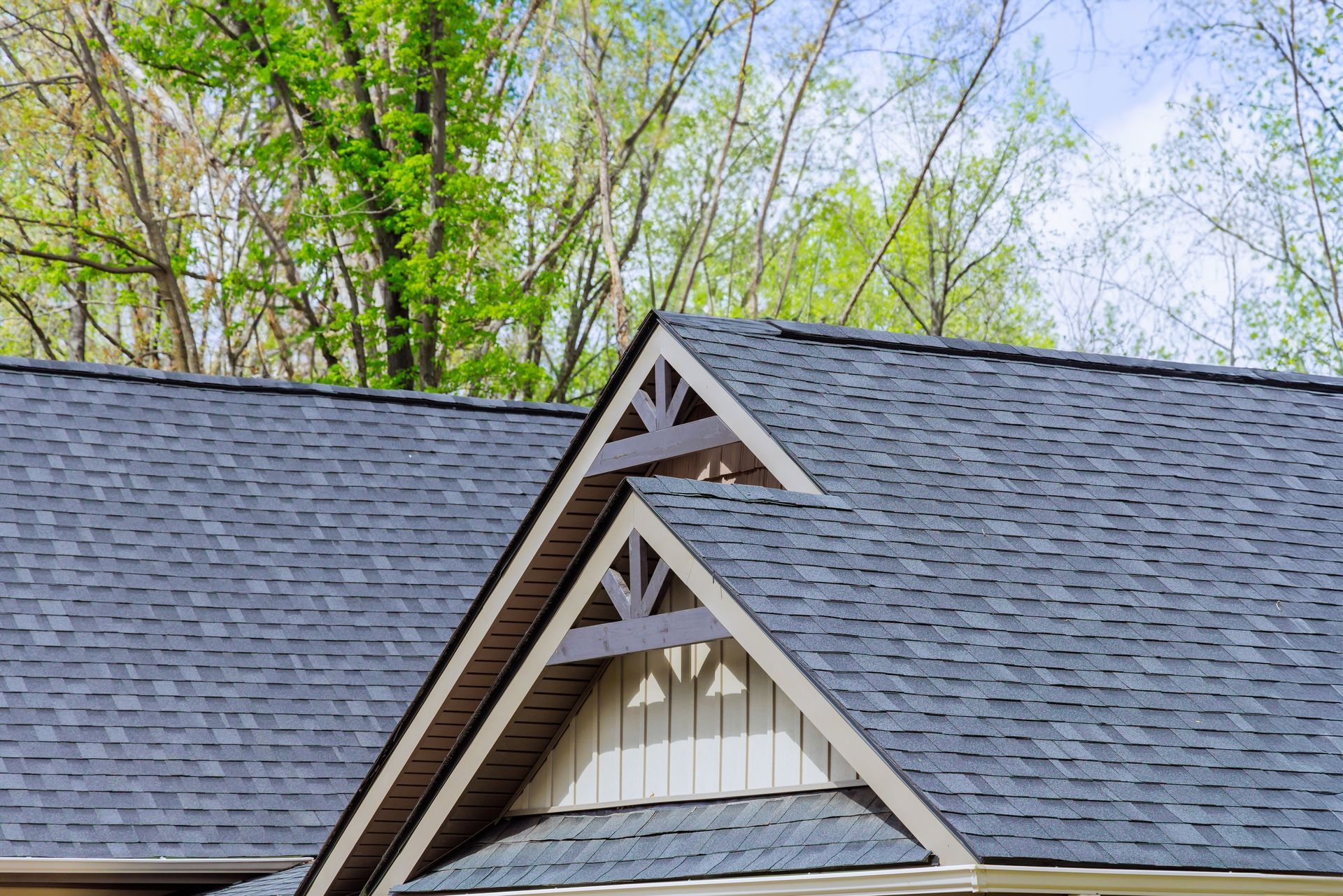
For Castle Rock homeowners who want to address both hail performance and long-term insurance premium costs, Class 4 impact-resistant architectural shingles are the primary recommendation. These products carry a UL 2218 Class 4 impact rating and qualify for significant premium discounts from most Douglas County residential insurers. The insurance savings frequently offset the price premium over standard architectural shingles within a three-to-five-year period following installation.
Scenario Two: Homeowners Focused on Maximum Longevity with Minimal Future Maintenance
For Castle Rock homeowners who want to address both hail performance and long-term insurance premium costs, Class 4 impact-resistant architectural shingles are the primary recommendation. These products carry a UL 2218 Class 4 impact rating and qualify for significant premium discounts from most Douglas County residential insurers. The insurance savings frequently offset the price premium over standard architectural shingles within a three-to-five-year period following installation.
Scenario Three: Homeowners Replacing Under a Fixed Insurance Settlement
When a Castle Rock homeowner is working from a finalized insurance settlement, material selection is constrained by the approved scope amount. Lifted High Roofing works within the settlement figure to deliver the strongest-performing system available at that budget. A competing quote that comes in meaningfully lower under the same settlement almost always reflects shortcuts on underlayment specification, flashing quality, or the decking assessment conducted after tear-off, not a more efficient crew.
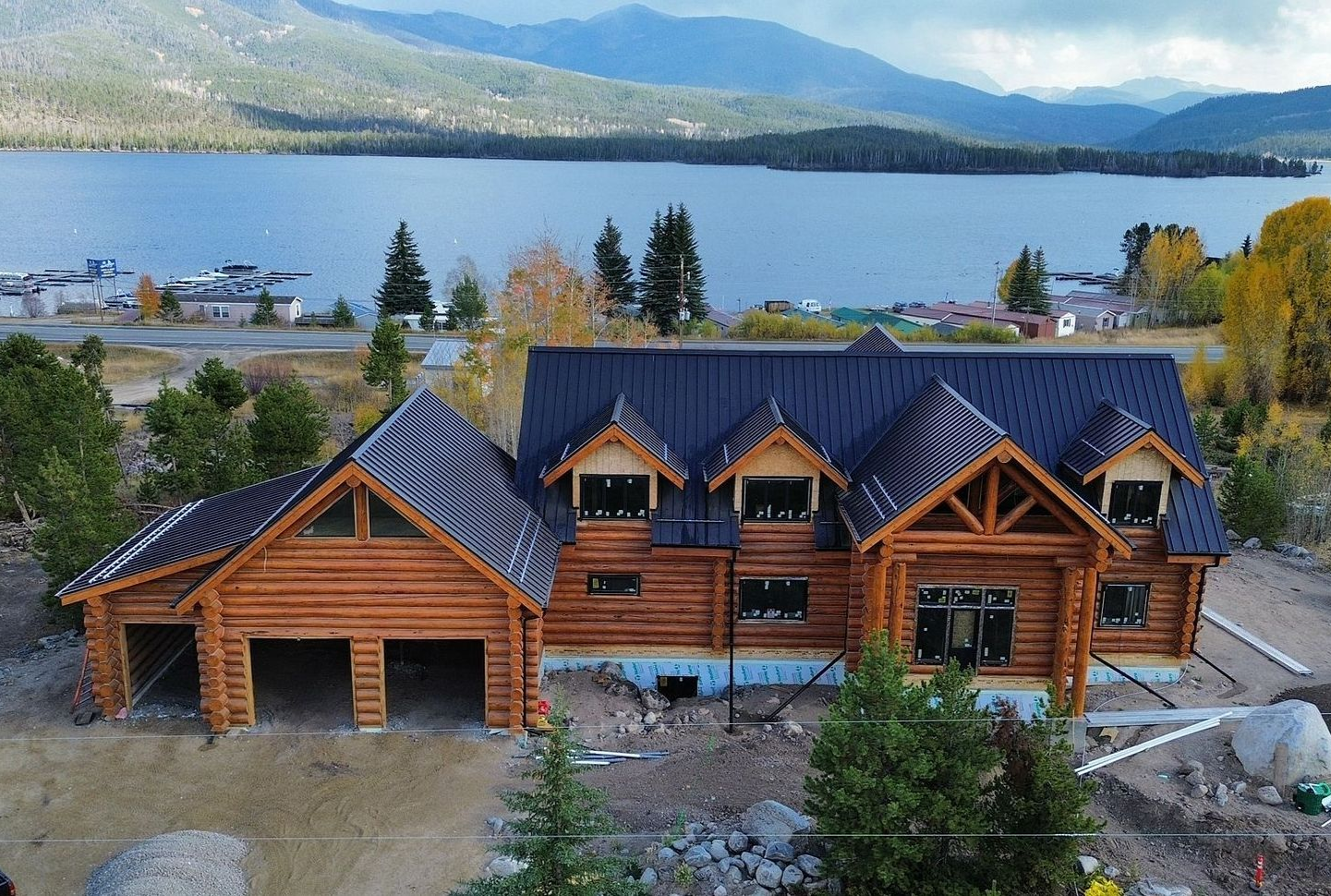
Roof Repair vs. Roof Replacement in Castle Rock, CO
Determining the Right Scope for Your Property
Repair or Replace? Free Assessment — (303) 409-7479
The repair versus replacement decision in Castle Rock is heavily shaped by system age and the extent of hail or UV damage already present across the field. A roof under twelve years old with isolated damage from a single clearly identifiable event is frequently a legitimate repair candidate, provided the undamaged portions show adequate granule coverage and the decking is confirmed sound. Replacing a few shingles and refreshing compromised flashings on a system with meaningful service life remaining is a reasonable and economical scope when the conditions support it.
The calculus shifts when the system is older, when multiple hail events have accumulated damage across the full field, or when granule loss is widespread rather than confined to specific impact zones. At Castle Rock's elevation, a roof showing general granule depletion across both slopes has typically reached a condition where targeted repair means spending money twice on the same system. Lifted High Roofing provides an honest written assessment of where each Castle Rock property falls in that spectrum based on actual system condition, not which scope generates a larger project value.
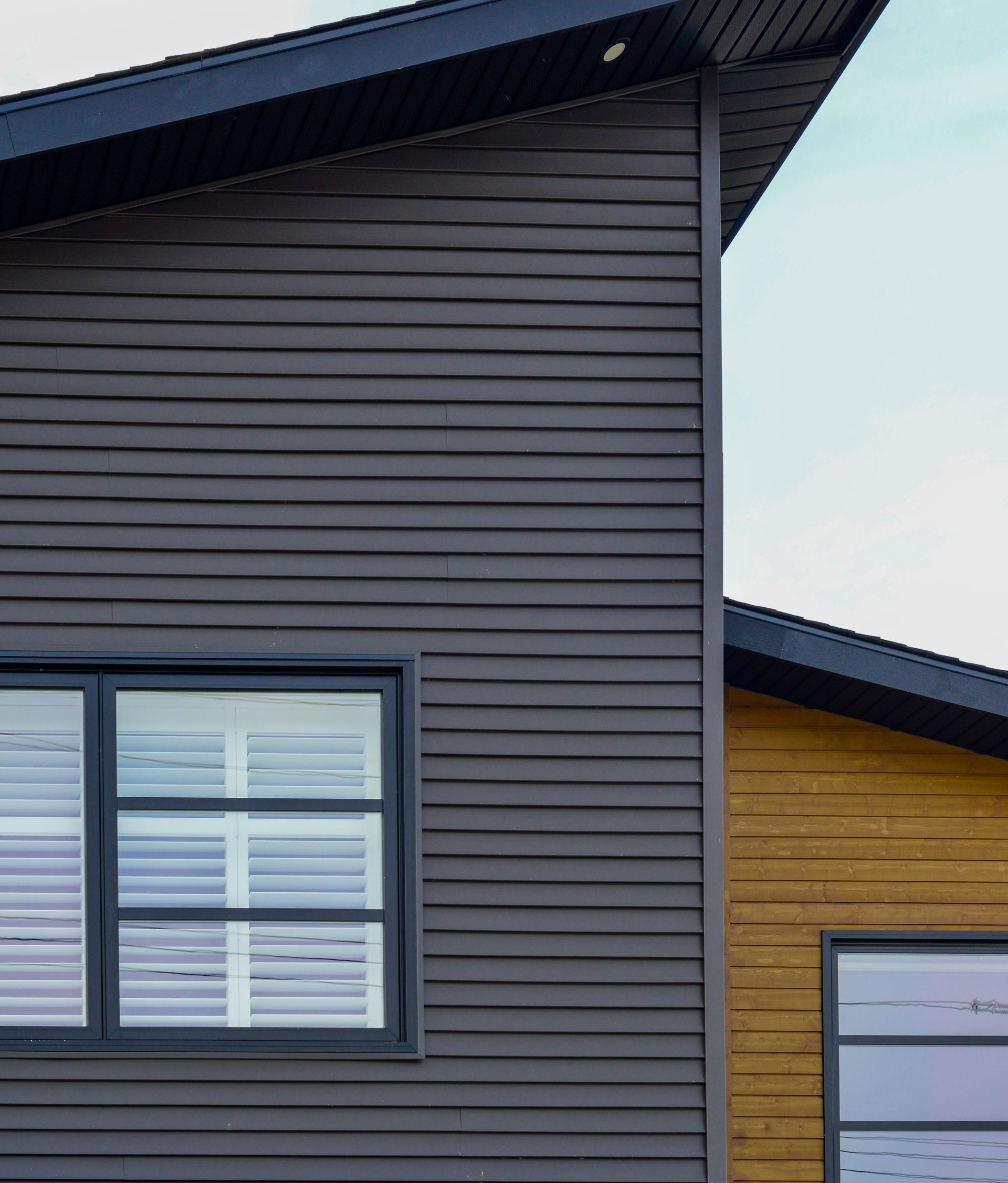
Roofing Systems Common Across Castle Rock, CO Neighborhoods
The Meadows and Metzler Ranch Development Profiles
The Meadows is one of Castle Rock's largest master-planned communities, with construction spanning from the early 2000s through recent years. Homes built in the first phase are now entering the age range where original roofing systems begin showing end-of-life characteristics. Architectural shingles installed between 2002 and 2008 were placed on properties with multiple roof planes, dormers, and complex valley intersections requiring careful step flashing and counter flashing during replacement. Lifted High Roofing crews are familiar with these transition details throughout The Meadows and account for them in every scope assessment.
Crystal Valley Road and Cobblestone Ranch Construction Profiles
Cobblestone Ranch and the communities along Crystal Valley Road represent a later construction period, with many homes built between 2010 and 2020. These properties have not yet reached end-of-life age under normal conditions, but hail damage from storms that have tracked through this corridor has accelerated the replacement timeline for many homeowners. Steeper roof pitches are common throughout Cobblestone Ranch, which affects both labor complexity and the attic ventilation assessment needed to confirm the new system will perform correctly once installed.
Older Residential Inventory Near Wilcox Street and the Historic Downtown Corridor
The residential inventory near Wilcox Street and the older sections of Castle Rock includes homes built in the 1970s, 1980s, and 1990s. Many of these properties have had one prior replacement cycle and are approaching the threshold for a second. Older homes in this corridor sometimes carry wood shake substrate beneath the current asphalt layer, and a thorough decking evaluation after tear-off is essential to confirm the structural layer is sound and capable of holding fasteners correctly before the new system is installed.
A Roof Replacement Project on Meadows Parkway in Castle Rock, CO
The Detail That Changed the Scope After Tear-Off Began
A homeowner on Meadows Parkway contacted Lifted High Roofing after noticing significant granule deposits in both gutters following a spring hail event. The initial inspection confirmed widespread granule loss across the south-facing slope consistent with impact damage, and the report and photographs were submitted to the homeowner's carrier for a standard residential claim review.
The turning point came after tear-off began. Two sections of OSB decking along the valley between the garage and the main roof plane showed moisture intrusion that had not been detectable from the attic side. The decking had softened to the point where fasteners would not hold, and proceeding without replacement would have compromised the integrity of the entire new system. Before any additional work continued, the homeowner was notified, the damaged sections were documented with photographs, and the revised cost was approved in writing.
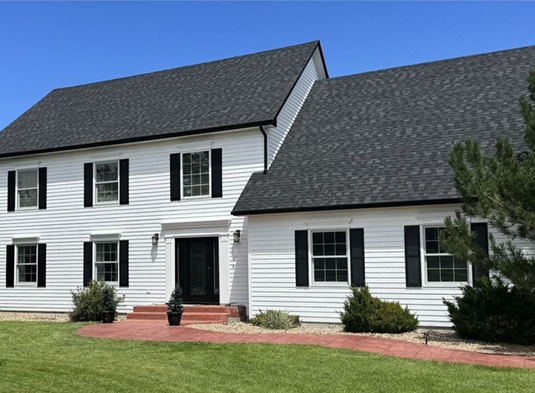
The completed project included full system removal, replacement of forty square feet of OSB decking, ice and water shield at all eaves and the repaired valley, synthetic underlayment across the full field, Class 4 impact-resistant architectural shingles throughout, and new step flashing and counter flashing at all wall intersections. A Town of Castle Rock building permit was filed and passed final municipal inspection without deficiencies. The total project cost of $17,400 broke down as follows: tear-off and labor $3,800, decking repair $1,200, ice and water shield $900, synthetic underlayment $600, Class 4 shingles $8,400, flashing and accessories $1,100, permit fee $400, cleanup and documentation $1,000.
Why Castle Rock, CO Homeowners Choose Lifted High Roofing
Licensed and Insured With Active Douglas County Credentials
Schedule Your Free Inspection — Call (303) 409-7479
Lifted High Roofing holds active contractor licenses across multiple Douglas County and Front Range jurisdictions, including Castle Rock license CR24-0307. Full general liability insurance and workers' compensation coverage are maintained, and documentation is available to any homeowner who wants to verify coverage before signing a contract. Lifted High Roofing is a BBB Accredited Business with an A+ rating, an RSRA member, and carries a 5.0-star rating across 33 Google reviews from homeowners throughout the Denver metro and Douglas County service area.
Five-Year Workmanship Warranty With Extended Options Available
Every Castle Rock roof replacement performed by Lifted High Roofing carries a standard five-year workmanship warranty. Homeowners who want longer-term protection can upgrade to a ten-year or twenty-year workmanship warranty, both of which transfer to a subsequent buyer when the permit record is clean and the property transfer is properly documented. Warranty transferability is a meaningful consideration in communities like The Meadows and Cobblestone Ranch, where resale is a realistic near-term scenario for many property owners.
Insurance Claim Coordination Built Into the Process From the First Call
A significant share of Lifted High Roofing's Castle Rock work involves insurance-related replacements following hail and wind events. The company coordinates directly with adjusters, provides itemized scope documentation in the format carriers require, and accompanies the adjuster during on-site review when coverage disputes need resolution. Patrick Smith built this process into Lifted High Roofing from its founding in May 2023 specifically because insurance-related replacement projects are where homeowners are most frequently exposed to incomplete scopes and underbid work. For repair versus replacement scope guidance, visit liftedhighroofing.com/residential/roof-repairs.
Roof Replacement Costs in Castle Rock, CO by Property Profile
Single-Story Homes in Standard Castle Rock Developments
Single-story homes in Castle Rock's standard residential neighborhoods generally fall between $12,000 and $17,000 for a complete replacement using Class 4 impact-resistant architectural shingles, depending on square footage, roof pitch, and decking condition at tear-off. Properties in Metzler Ranch typically cover between twenty-five and thirty-two roofing squares, and labor costs in Castle Rock run modestly above comparable work in lower-elevation Denver suburbs due to the more thorough underlayment and flashing specifications this climate demands.
Two-Story and Multi-Plane Roofs Along Meadows Parkway and Founders Parkway
Two-story homes with multiple roof planes, as is common throughout The Meadows and along Founders Parkway, carry higher replacement costs due to increased labor complexity and more extensive flashing work at dormers and wall intersections. Replacement costs for these properties typically range from $16,000 to $24,000. Standing seam metal on a complex two-story profile can push toward $28,000 to $35,000, though the forty-plus-year service life at this elevation changes the per-year cost calculation significantly when modeled against multiple asphalt replacement cycles.
The Town of Castle Rock Permit Fee as a Separate Line Item
The Town of Castle Rock charges a permit fee for residential roofing replacement projects, currently ranging from $350 to $500 for most standard residential replacements. Lifted High Roofing lists the permit fee as a separate line item on every project proposal so homeowners can see exactly what portion of the total is paid to the municipality. Any contractor who suggests skipping the permit process places the homeowner's warranty documentation and future resale records at legal and financial risk.
What Roofing Contractors Assess During a Castle Rock, CO Inspection
Decking Condition Beneath the Existing System
The decking assessment is one of the most consequential components of a Castle Rock replacement project and also the most likely to be understated in a competing low bid. The actual condition of the decking can only be verified once the existing system is fully removed. Lifted High Roofing approaches every Castle Rock project with the understanding that deck repair may be required, documents any damage found after tear-off with photographs, and communicates the revised scope and cost before the crew proceeds with any additional work.
Attic Ventilation and Its Direct Effect on Shingle Performance
Inadequate attic ventilation is one of the most common reasons a Castle Rock roof ages faster than its product rating would suggest. During summer months, heat accumulates in an under-ventilated attic while solar radiation heats the shingle field from above, creating a two-sided heat load that accelerates breakdown of the asphalt binder in the shingle mat. A replacement project that installs new shingles over a ventilation system that does not meet required net free area will deliver shorter service life than the product's rated longevity. Lifted High Roofing assesses ridge vent capacity, soffit intake, and net free area as part of every Castle Rock replacement inspection.
Flashing Failures at Penetrations and Wall Intersections
Step flashing, counter flashing, and the flashing at every penetration through the roof plane are the most common locations where water entry occurs without an obvious ceiling manifestation. Lifted High Roofing replaces all flashings on every Castle Rock replacement project rather than reusing existing metal that may be corroded, improperly lapped, or past its useful life. A new shingle field installed over compromised flashings will develop leaks well before the new shingles themselves become a performance concern.
How Long a Roof Replacement Lasts in Castle Rock, CO
South-Facing Slopes Age Measurably Faster at Palmer Divide Elevation
Roofing lifespan in Castle Rock is not uniform across all surfaces of the same roof. South-facing slopes at 6,224 feet receive a UV load substantially higher than what the north-facing slopes of the same property experience. A thirty-year architectural shingle on the south slope can show granule depletion consistent with a twenty-two to twenty-five-year system while the north slope of the same roof looks significantly younger. A full inspection covering all slopes is the only reliable basis for an accurate service life estimate.
Expected Longevity by Material Type in This Climate
Standard architectural asphalt shingles installed correctly in Castle Rock with proper ventilation and synthetic underlayment deliver a realistic service life of twenty-two to twenty-eight years, with south-facing slopes at the lower end. Class 4 impact-resistant architectural shingles extend that modestly toward twenty-five to thirty years due to the heavier mat and more densely embedded granules. Metal roofing systems properly installed for Castle Rock's wind exposure carry a realistic forty-to-fifty-year service life at this elevation. The combination of UV intensity, hail frequency, and freeze-thaw cycling at 6,224 feet makes material selection and installation quality more consequential here than in lower-elevation Colorado markets. For the inspection schedule that extends any installed system's life, visit
Quick Answers for Castle Rock, CO Homeowners Considering Roof Replacement
How much does roof replacement cost in Castle Rock, CO?
Roof replacement in Castle Rock typically runs between $12,000 and $24,000 for most residential properties, depending on square footage, pitch, material selection, and decking condition at tear-off. Class 4 impact-resistant shingles are widely recommended for this area's hail exposure. The Town of Castle Rock permit fee adds $350 to $500 as a separate line item on every project.
How long does roof replacement take in Castle Rock?
Most single-family Castle Rock replacements complete in one to two days once materials are on-site and the permit is active. Larger homes with complex roof planes or projects requiring significant decking repair may extend to three days. Weather delays during Colorado's spring and fall transition periods can affect scheduling, and Lifted High Roofing communicates proactively when a weather window requires adjustment.
Do I need a permit for roof replacement in Castle Rock, CO?
Yes. The Town of Castle Rock requires a building permit for all residential roof replacement projects. Permits are filed through the Building Division at 100 N Wilcox St, Castle Rock, CO 80104, reachable at (720) 733-2246. Lifted High Roofing manages the entire permit process from application through final inspection and delivers the closed permit record to the homeowner at project completion.
Does homeowner's insurance cover roof replacement in Castle Rock?
Hail and wind damage are the most common covered causes of residential roof replacement in Castle Rock. Many Douglas County residential policies cover full replacement when a qualifying storm event can be properly documented. Lifted High Roofing works directly with adjusters and provides the itemized scope and photographic documentation carriers require for claim processing.
What is the best roofing material for Castle Rock's climate?
For most Castle Rock homeowners, Class 4 impact-resistant architectural shingles deliver the strongest balance of storm performance, longevity, and overall cost. The UL 2218 Class 4 rating directly addresses the hail exposure that defines Castle Rock's risk profile, and insurance premium discounts available through Douglas County carriers for qualifying systems represent a meaningful ongoing financial benefit.
Frequently Asked Questions About Roof Replacement in Castle Rock, CO
How do I know if my Castle Rock roof needs replacement rather than repair?
The decision depends on system age, the scope of existing damage, and decking condition. A roof under twelve years old with isolated damage from a single identifiable event is often a repair candidate. Widespread granule loss, accumulated damage from multiple hail events, or soft decking discovered during assessment all point toward replacement. Lifted High Roofing provides a written assessment before any scope commitment is required.
Can roof replacement be completed during Colorado winters?
Scheduling is weather-dependent, but replacement is possible throughout the winter season. Asphalt shingles require temperatures above forty degrees Fahrenheit for sealant strips to activate properly. Castle Rock's winter patterns allow for replacement during warm spells between November and February, and Lifted High Roofing schedules projects within appropriate temperature windows.
How do I choose between Class 4 shingles and standard architectural shingles for my Castle Rock home?
The primary factor is insurance premium reduction. Most Douglas County residential carriers offer meaningful discounts for homes with UL 2218 Class 4 rated roofing systems. The discount varies by carrier and policy structure, but it frequently offsets the cost difference between Class 4 and standard shingles within three to five years. Lifted High Roofing recommends confirming the specific discount from your insurer before finalizing the material selection.
How do I document hail damage for my insurance company in Castle Rock?
Documentation starts with a professional inspection identifying the number, size, and distribution of impact points across the full field. Lifted High Roofing provides written reports and photographs in the format Douglas County insurers require for residential hail claims. Homeowners should report potential damage within a reasonable period, as most Colorado policies carry documentation timelines that affect claim eligibility.
What happens if damaged decking is discovered during my Castle Rock replacement?
Lifted High Roofing documents all decking damage found after tear-off with photographs and a written scope description before additional work proceeds. The homeowner is notified of the change and the cost, and no further work is performed without explicit written authorization. Repair cost depends on the extent of damage and the material required to restore the structural layer.
Is my roof replacement warranty transferable if I sell my Castle Rock home?
The workmanship warranty from Lifted High Roofing transfers to a subsequent owner when the permit record is clean and the property transfer is properly documented. A five-year, ten-year, or twenty-year workmanship warranty can be a meaningful selling point in communities like The Meadows and Cobblestone Ranch, where buyers are often familiar with local hail exposure history.
What is ice and water shield, and why does Castle Rock require it?
Ice and water shield is a self-adhering waterproof membrane applied to the eaves and vulnerable penetration points before underlayment is installed. It prevents water from backing up beneath the shingles during ice dam formation. Castle Rock's aggressive freeze-thaw cycling at 6,224 feet creates conditions for ice dams regularly, making properly installed ice and water shield a required component of any quality replacement in this climate.
Does Lifted High Roofing manage the permit process with the Town of Castle Rock?
Yes. Lifted High Roofing handles the complete permit process, including the application to the Building Division at 100 N Wilcox St, the scheduling of the required municipal inspection, and the delivery of the closed permit record to the homeowner at project completion. The permit is filed in the homeowner's name, ensuring the official property record accurately reflects the completed and inspected replacement.
How does Castle Rock's elevation affect my roof's service life?
The 6,224-foot elevation on the Palmer Divide exposes Castle Rock roofs to UV radiation measurably more intense than what Denver metro properties experience. South-facing slopes typically show granule depletion two to five years ahead of the manufacturer's stated service life, which is why a full multi-slope inspection is the only reliable basis for a remaining-life estimate on any Castle Rock property.
What should I do immediately after a major hail storm in Castle Rock?
Do not go onto the roof yourself. Contact a licensed roofing contractor for a professional inspection before filing any insurance claim, so that damage documentation exists before the adjuster review begins. Lifted High Roofing provides post-storm inspections throughout Castle Rock and delivers the written reports and photographs your carrier will require. For storm-related claim support.
Residential Roofing Services We Provide in Castle Rock, CO
Residential Roof Replacement
Complete roofing system replacements for Castle Rock, CO residential properties. Town of Castle Rock Building Division permit management included on every project. Class 4 impact-resistant shingle specifications applied for Douglas County hail exposure. Full decking assessment conducted after tear-off with written scope documentation and homeowner approval before any deck repair proceeds. Castle Rock license CR24-0307.
Residential Roof Repair
Targeted repair for Castle Rock properties where isolated failures exist on systems with meaningful remaining service life. Repair versus replacement scope guidance provided in writing before any commitment is required. Assessing whether repair is the right call for your Castle Rock property? The full repair versus replacement decision process is covered on our residential roof repair page. Castle Rock license CR24-0307.
Storm Damage Roof Repair
Insurance-assisted storm damage restoration for Castle Rock properties following hail and wind events. Adjuster coordination included. Itemized scope documentation provided in insurer-required format. Inspection report and photographs delivered before the claim review begins.
Roof Maintenance
Twice-yearly gutter cleaning and roof inspection subscription for Castle Rock homeowners who want proactive system monitoring between full replacement cycles. Minor repair identification and written condition reports included with every visit.
Commercial Roofing
Commercial roof installation and repair for Castle Rock business properties. Flat roofing systems, metal roofing, and commercial shingle applications. Full permit management through the Town of Castle Rock Building Division.
How Long a Roof Replacement Lasts in Castle Rock, CO
Lifted High Roofing Serves The Meadows, Crystal Valley Road, Metzler Ranch, and Every Castle Rock Neighborhood
Castle Rock's position on the Palmer Divide at 6,224 feet makes it one of the more demanding environments for residential roofing across the Denver metro. The combination of Palmer Divide hail frequency, elevation-driven UV intensity, and aggressive freeze-thaw cycling means roofing systems here require replacement sooner than homeowners often expect, and that material selection, installation quality, and permit documentation all carry more consequence than they would in a lower-elevation location.
Lifted High Roofing serves Castle Rock homeowners throughout The Meadows, Metzler Ranch, Cobblestone Ranch, along Crystal Valley Road and Founders Parkway, and through the older residential corridors near Wilcox Street. Patrick Smith and his team coordinate insurance claims directly with adjusters, manage Town of Castle Rock permits from application through final inspection, and deliver replacement projects with a five-year standard workmanship warranty and the option for ten-year or twenty-year extended coverage. Call (303) 409-7479 or visit liftedhighroofing.com to schedule your free Castle Rock roof inspection. BBB Accredited. RSRA Member. 5.0 stars, 33 Google reviews.
Contact Lifted High Roofing Today!
If your commercial roof needs repair, don’t wait. Contact Lifted High Roofing today to schedule an inspection and get the professional repair services you need. Call us or fill out our online form to get started. Let us be your trusted partner in protecting your business with reliable, high-quality roofing repairs.